





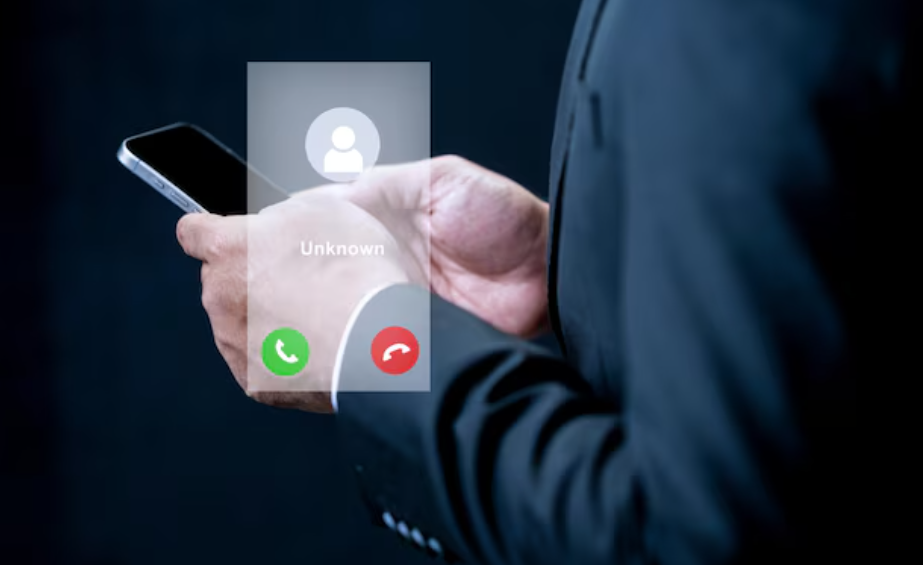
Spam calls have become a common problem for mobile phone users. These unwanted calls can interrupt daily activities, waste valuable time, and sometimes expose people to scams or fraud. Many spam callers try to collect personal information, promote unwanted services, or trick people into sharing financial details. Fortunately, there are several simple ways to protect your phone and stop spam calls. By following a few practical steps and using the right phone features, you can enjoy a safer and more peaceful calling experience.
Understand How Spam Calls Work
The first step to stop spam calls is understanding how they reach your phone. Spam callers often use automated systems to contact thousands of numbers within a short period. Some callers pretend to represent banks, government offices, insurance companies, or well-known businesses to gain people’s trust.
Your phone number may also become available to marketers through online forms, public directories, or data leaks. Understanding these methods can help you become more careful when sharing your contact details and responding to unknown numbers.
Use Your Phone’s Built-In Call Blocking Features
Most modern smartphones have built-in features that help users manage unwanted calls. These settings allow you to block specific numbers, silence unknown callers, and identify suspected spam calls before answering them.
Android and iPhone users can explore their call settings to find suitable options. Some devices also provide caller identification features that display warnings when a number is suspected of spam activity. Using these tools regularly is a simple way to stop spam calls and reduce unnecessary interruptions throughout the day.
Register for Do Not Call Services
Many countries offer Do Not Call registration services that allow consumers to reduce unwanted marketing calls. Registering your phone number can help prevent legitimate telemarketing companies from contacting you without permission.
However, registration may not block every unwanted call, especially those made by scammers or dishonest organizations. It is still a useful step when combined with other safety practices. Check the official consumer protection services available in your country to understand how registration works.
Avoid Sharing Your Phone Number Publicly
Sharing your phone number on every website, social media platform, or online form can increase the chances of receiving unwanted calls. Some websites may share contact information with marketing partners, while others may not protect personal details properly.
Before providing your number, check whether the website is trustworthy and whether sharing your contact information is necessary. Avoid posting your phone number publicly on social media. Being careful with personal information can help you stop spam calls before they become a regular problem.
Never Respond to Suspicious Callers
Answering suspicious calls or following instructions from unknown callers can sometimes lead to further unwanted contact. Avoid sharing passwords, verification codes, banking details, or other sensitive information over the phone.
If someone claims to represent a bank or official organization, end the call and contact that organization through its verified phone number. You should also block and report suspicious numbers whenever possible. These precautions can protect your personal information and reduce the risk of phone scams.
Conclusion
Keeping your phone free from unwanted calls requires awareness and consistent action. Using call-blocking features, registering for Do Not Call services, protecting your phone number, and avoiding suspicious callers can make a significant difference. Although it may not be possible to eliminate every unwanted call, these practical habits can help you stop spam calls and enjoy a safer, more convenient mobile experience.