




Owning a vehicle comes with the responsibility of keeping it safe, reliable, and comfortable. Regular maintenance and timely upgrades can help prevent unexpected problems, improve performance, and extend the vehicle’s lifespan. Whether you drive a family car, a pickup truck, or a diesel vehicle, taking care of its different systems is important. From checking the brakes to replacing worn-out parts, every service plays a role in creating a better driving experience. Understanding the essential services and upgrades can help every driver make informed decisions about vehicle care.
Brake Service: Keeping Every Journey Safe
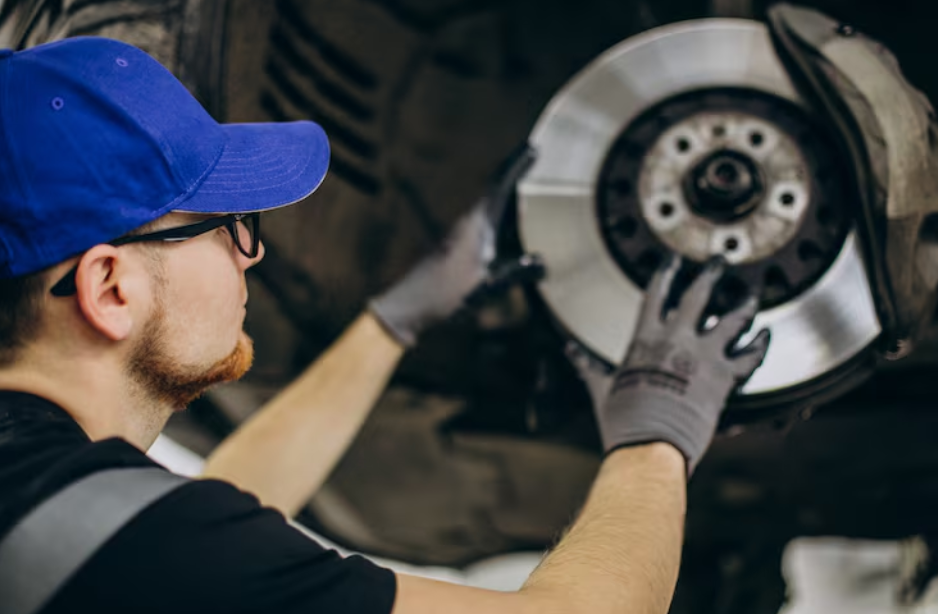
A properly working braking system is essential for road safety. Regular brake service helps ensure that brake pads, rotors, and other components are in good condition. Over time, these parts can wear out because of frequent use, making it harder to stop the vehicle quickly. Professional inspections can identify problems such as unusual noises, vibrations, or reduced braking performance. Replacing damaged components and checking brake fluid can help maintain reliable stopping power. Drivers should never ignore warning signs because a well-maintained braking system provides better control in different road and weather conditions.
Powerstroke Diesel Parts: Supporting Engine Performance
Diesel vehicles require suitable components to maintain their power, efficiency, and reliability. Choosing quality Powerstroke diesel parts can help keep the engine running smoothly and support its long-term performance. These parts may include fuel system components, filters, turbochargers, and other engine-related equipment. Regular inspections can help identify worn or damaged parts before they affect other systems. Using compatible replacement components is also important for maintaining proper engine operation. Drivers who depend on diesel trucks for everyday travel or heavy-duty tasks should pay attention to maintenance schedules and choose suitable parts whenever repairs are needed.
Engine Oil and Filter Replacement: Protecting Important Components
Engine oil reduces friction between moving parts and helps control engine temperature. However, oil becomes dirty over time and gradually loses its ability to protect the engine. Regular oil and filter replacement helps remove dirt and unwanted particles while keeping internal components properly lubricated. Drivers should follow the manufacturer’s recommended service intervals and use the correct oil grade for their vehicle. This simple maintenance task can reduce unnecessary engine wear and support dependable performance.
Tire Inspection and Replacement: Improving Road Grip
Tires have a direct impact on vehicle handling, braking, and comfort. Checking tire pressure regularly helps maintain proper contact with the road and can improve fuel efficiency. Drivers should also inspect tread depth and look for cracks, uneven wear, or other visible damage. Wheel alignment and tire balancing are useful services that help prevent unnecessary wear and provide a smoother ride. Replacing old or damaged tires at the right time is important for maintaining control and stability.
Battery Maintenance: Ensuring Reliable Starting
A healthy battery allows the vehicle to start properly and supplies power to important electrical systems. Battery terminals should be checked for corrosion, while charging performance should be inspected during routine maintenance. If the battery struggles to start the engine or frequently loses power, it may need testing or replacement. Checking the alternator is also helpful because it keeps the battery charged while the vehicle is running.
Suspension and Steering Upgrades: Enhancing Driving Comfort
The suspension and steering systems help maintain stability and make driving more comfortable. Worn shocks, struts, or steering components can cause uneven tire wear, poor handling, and excessive vibrations. Professional inspections can identify these problems before they become more serious. Replacing damaged components and choosing suitable upgrades can improve vehicle control, especially when driving on rough roads.
Conclusion
Complete vehicle care involves more than occasional repairs. Regular brake inspections, suitable diesel parts, oil changes, tire maintenance, battery checks, and suspension services all contribute to a dependable vehicle. By following a consistent maintenance schedule and addressing problems early, drivers can improve safety, performance, and comfort. Making vehicle care a regular priority helps protect your investment and makes every journey more reliable.