





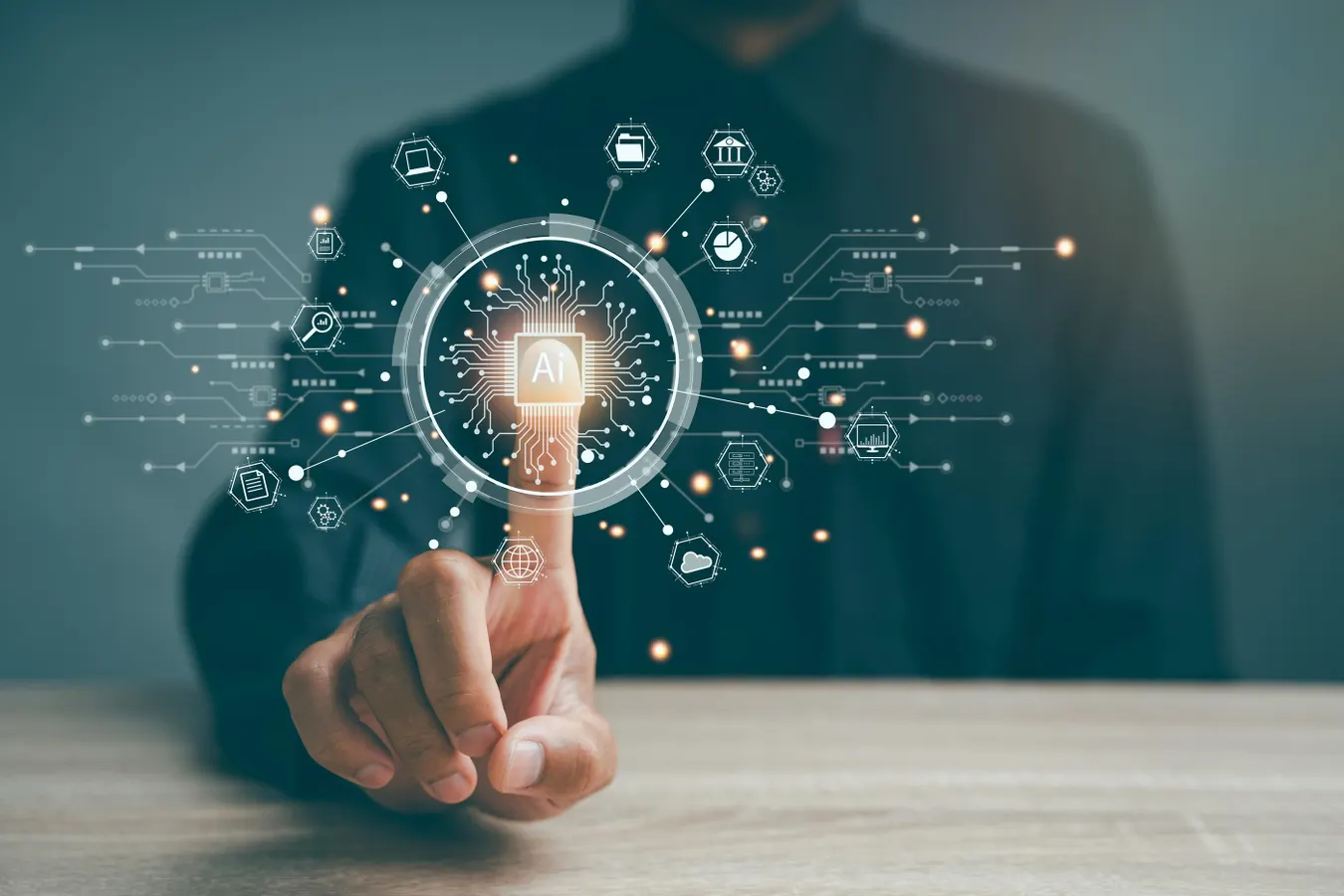
Digital transformation is not a question that is coming to the business world anymore, but how quickly. The firms that do not move as fast as the others to the use of AI, cloud computing, and modern software infrastructure are becoming more and more outsmarted by the competition that are leaner and smarter. Since small and big business startups, the necessity to digitalize is no longer a choice, but a necessity, and only a decent development company can give you the push needed.
The Change is Already Taking Place
In all sectors, organizations are abandoning old systems and adopting intelligent, data-based platforms in healthcare, manufacturing, hospitality, education, and finance. AI is no longer a buzzword among Silicon Valley titans. Nowadays, machine learning can be applied by mid-sized companies to simplify the process of loan application, automatic compliance verification, and customer experience personalization at scale.
Take the example of the mortgage business: mortgage companies handling hundreds of loans per month are implementing AI-based document systems that reduce the time spent by thousands of employees manually examining documents by more than 60 percent. Specialty clinics in healthcare are shifting towards cloud-based EMRs that combine billing, records, and eClaims into one seamless workflow. The trend goes the same way throughout the board: smarter systems, quicker delivery, improved results.
What Is Stalling Business?
Although the advantages are obvious, most businesses are not able to make the first step. The most typical barriers are:
Obsolete infrastructure – The legacy systems are not designed to support the new cloud environment and AI pipelines, which introduces an expensive bottleneck.
Absence of a clear technology roadmap – Without a strategy, even highly invested digital transformation initiatives cannot provide ROI.
Talent needs – It is costly and time-consuming to hire in-house AI/ML engineers, DevOps specialists, and cloud architects.
Security and compliance issues – With the trend moving to the cloud, companies are at risk of rising cybersecurity and regulatory risks.
These are not impossible tasks, but they involve the appropriate partner. That is why increasing numbers of businesses are outsourcing to technology consulting firms that specialize instead of attempting to develop everything internally.
The Smart Play in Technology Consulting
The emergence of enterprise technology consulting is an inherent fact: the majority of businesses are not technology firms, and need not become such. What they require is a partner whom they can trust and who is aware of their industry and what tools can revolutionize it.
Not any technology partner writes code but creates your digital future, fills talent gaps, manages infrastructure, and makes sure security, without slowing you down. It is this model that has brought firms specializing in AI, blockchain, cloud, and DevOps so much value.
HyScaler is worth a closer look, in case you are researching the nature of this type of end-to-end support in practice. A more than 10-year, CMMI-certified technology consulting team, they have worked with more than 100 businesses to scale with AI, blockchain, and cloud solutions.
The Technologies That are Currently Producing the Most Value
Artificial Intelligence & Machine Learning – Predictive analytics to intelligent automation, AI is bringing real ROI to all industries. It is being applied to customer service bots, fraud detection, demand forecasting, and clinical decision support by businesses.
Cloud Computing – Migrating to the cloud isn’t just about cost savings. The contemporary cloud environments are scalable, provide disaster recovery, real-time collaboration, and are the backbone of infrastructure on which everything relies.
Blockchain – Beyond, blockchain is quietly revolutionizing supply chains, healthcare records, smart contracts, and ID verification through its tamper-free, transparent ledger technology.
DevOps & Continuous Integration – Direct benefits of mature DevOps are faster software releases, fewer bugs, and more reliable deployments. Firms practicing CI/CD pipelines minimize the time to market.
Digital Twins Digital twins are one of the most promising new technologies, where companies create virtual models of physical systems or equipment, which can be continuously monitored and optimized automatically without interruptions to the current work processes.
Selecting the Appropriate Technology Partner
Not all tech companies are ready to deal with enterprise-level transformation. In assessing a technology consulting partner, consider:
- Known experience in a variety of industries, not in a single vertical.
- Certifications that attest to their engineering maturity (CMMI, ISO, etc.)
- An assortment of practical case studies with quantifiable results.
- Full-stack capability, including strategy and architecture, for development and managed services on an ongoing basis.
To get a clear picture of what modern tech consulting services should look like and encompass, including AI and DevOps, blockchain, and cloud infrastructure, the HyScaler services page is a good place to get a good description of what can be done now.
Final Thoughts
Digital transformation isn’t a one-time project. It is a continuous practice of creating more effective systems, making smarter and more data-driven decisions, and remaining agile in response to change. The winning businesses are not always the biggest ones; these are the ones that made the right move, identified the appropriate partners, and developed technology ecosystems that can keep up with them.
And regardless of whether you are starting a digital transformation journey or you need to jumpstart an already ongoing change, the correct technology partner can mean the difference between an unsuccessful IT project and a true competitive edge.