





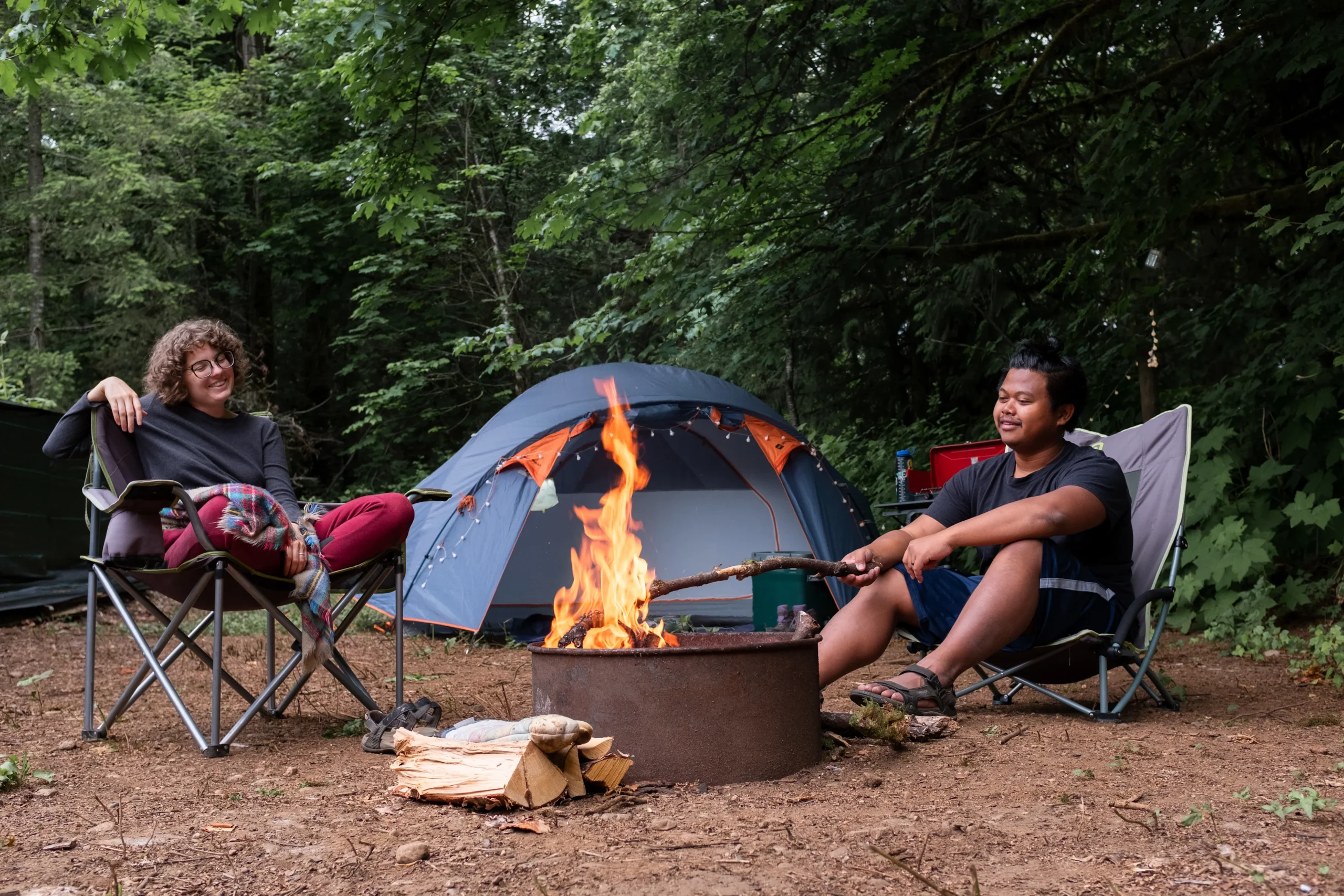
Imagine: the sound of a campfire, stars shining in the sky, and fresh air in your lungs. When you go camping, you become part of nature, but you can also get trapped in unfavorable weather conditions or by wild animals. Here’s a roadmap to camp safely, so you can enjoy camp and not be afraid. Park statistics show that camping is becoming an increasingly popular activity, with more than 80 million Americans camping safely in 2025 alone. Let’s make your holiday hassle-free.
Pre-Trip Planning is the Key to Safe Camping
Good preparation begins at home and sets the tone for the whole adventure. Checking things out early is a good way to prevent major issues. It’s like making the foundation for your tent, making sure it’s stable.
Scouting Your Goals & Environments
Choose a location judiciously to avoid surprises. Check park rules on official websites such as the National Park Service website. They post updates for fire bans or bear activity. For instance, in bear areas, there may be special permits. Call Ranger Station for up-to-the-minute information. This saves time and hassle once you arrive.
Check and Maintain the Equipment
Test each piece of equipment before packing. Check tent zippers and stakes to ensure they function properly. Test the compass and battery-operated GPS. Remember to have lights—extra bulbs on flashlights are essential on nights.
A true anecdote: One hiker had forgotten to check the expiration date on his first-aid kit, and discovered when he was halfway through the hike that his bandages had expired. Bring new gear and use it in the practice session. This is a habit that transforms potential disasters into small fixes.
To Develop and Share an Itinerary
Let someone know where you are going and when you’ll be back. Record the route, campsites, and emergency phone numbers. Tell a friend or family member who checks in. Some applications, such as Garmin or Find My Friends, allow you to send your location updates. Notify your contact immediately if plans change. If there is a mishap, this simple act can help speed up the rescue.
Setting up a Secure Campsite
Once you reach it, select the spot carefully. A clever arrangement helps to keep you safe from the elements. Like selecting a comfy corner in a storm, secure and snug.
Site Selection: Avoiding Natural Hazards
Check for hazards before unloading. Avoid dry riverbeds that fill rapidly with water. Be alert for overhead dead branches, “widowmakers” that may fall. Choose elevations to prevent pockets of cold air or water accumulation.
Schools such as the National Outdoor Leadership School teach these rules, which are best followed on flat open terrain that is far from cliffs. Walk around first and take your gut feeling if there’s something wrong.
Ensuring that Food is Stored Safely and Wildlife is Not Attracted to Food Sources
Feed the birds and keep the animals away by storing the food properly. In grizzly areas, use bear-proof containers – they are hard and expert-approved. If hanging is acceptable, high on a branch (10 feet up, 4 feet from the trunk).
Store toothpaste and deodorant as well; they attract critters. Move the “bear-muda triangle”: Keep cooking, feeding, and sleeping areas apart by 100 yards. Scrap cleaning should be done as soon as it happens. A camper got the short end of the stick when his dinner was chewed up by a raccoon, but his experience proved that you can’t beat prep.
The Principles of Responsible Fire Management in the Campfire
First, find out whether fires are permitted or not – no fires means no fire. Construct in an existing ring or create a pit 8″ deep. Maintain a small fire (less than 3 ft wide), near water or dirt. Do not leave it unattended. Drown with water, stir the ashes, and feel for heat to extinguish. Continue if not cold. The drown-stir-feel trick helps to stop wildfires from unknown embers.
They will learn how to navigate the trail and will discover what to look out for in Case of an Emergency.
To go hiking to your site or exploring needs sharp skills. You are safe by knowing your way and knowing what to do if lost. It is your map to adventure, without the worry.
Mastering Navigation Basics
Always have paper maps and a compass on hand, as batteries go dead. Learn to read contours for hills and valleys. Follow handrails such as rivers or trails for guidance. Take your time to measure distance; 2000 steps is 1 mile on level ground. Doing a walk at home with a local practise. GPS comes in handy, but nothing replaces old-school tools. But what happens if your mobile goes haywire? These are the essentials to get you home.
Understand the Procedures for First Aid and Injury Response
Make a kit based on your group’s requirements – more items will be needed for long trips. Keep stock bandages, tweezers, pain medications, and allergy medications. Include moleskin for blisters and a wrap for sprains.
Know how to clean cuts using soap and water, and then antibiotic ointment. Practice on small problems before a long trip. Time is of the essence in remote locations. If left untreated, a twisted ankle will put an end of your hike.
Identifying and Reacting to Environmental Hazards
Be aware of problem behavior in the wild. Spending the day in wet garments? It may be hypothermia, even when it’s hot, wet conditions, that cools the body quickly. Bundle up and stay dry! When heat exhaustion occurs, it comes on with dizziness.
Go to the shade and drink water. Headaches = high place = altitude sickness, step down slowly. Thousands of people experience these each year, and awareness reduces the risks. Wear layers of clothing, drink water, and get rest if you need it.
Water and Food Safety: Keeping People Well Outside
Fueling up means being strong out there. Clean Water, Smart Eating means No Tummy Troubles! Do it like you would do your other daily activities, but just harder.
Methods of Water Sourcing and Purification Methods
Locate water sources, such as streams or lakes, but do not drink directly from the water—the water is contaminated with germs. The time for boiling water at sea level is 1 minute; add time at height. Tablets, such as chlorine dioxide, take 30 minutes to work.
Pumps in the filter clean particles and bugs. Pack twice, for example, filter and tablets. If one breaks, you are protected. Test on a short outing first!
Safe Food Handling and Storage in the Field
Ease the packing of non-perishables such as nuts and dried fruits. Use coolers with ice blocks to store meat; empty the ice from the cooler every day. Thoroughly cook to destroy bacteria; if possible, use a thermometer. Don’t mix raw and cooked foods. Eat perishables first in HOT weather. One group caught the virus in the warm chicken, and now they eat basic food.
Recognising Local Flora and Fauna Risks
Be familiar with the dangers in your community. Poison ivy has three leaves – Avoid contact and wash your hands if you touch them. Snakebites? Move backwards gently and call for rescue. Please research regional guides before traveling.
Apps know plants rapidly: Don’t surprise big animals such as moose, make noise. Identifying hazards quickly will make your trip go more smoothly.
Get Warmed up With the DAMN Mindset
Safe camping is all about being alert all the time. Prep – smart choices – quick thinking – makes the difference! You get more confident as you practice and make the wild your playground.
Important points to remember: Inform another person of your travel plans. Keep food outside of camp to deter wildlife. Purification of water – no exceptions. Camp safely by following these. Pack up and go out on the hiking trails this spring; adventure is calling—but do it right. What are you waiting for? Book a safe vacation today!